










Music Beyond the Stage: Building Your Personal Wellness Toolkit
May 30, 2026

For many performers, music is a source of joy, creativity, and connection. It's how we tell stories, express emotions, and share experiences that words alone cannot capture.
But music isn't only valuable when we're on stage.
This Mental Health Awareness Month, we invite you to think about how music can support your well-being offstage, too.
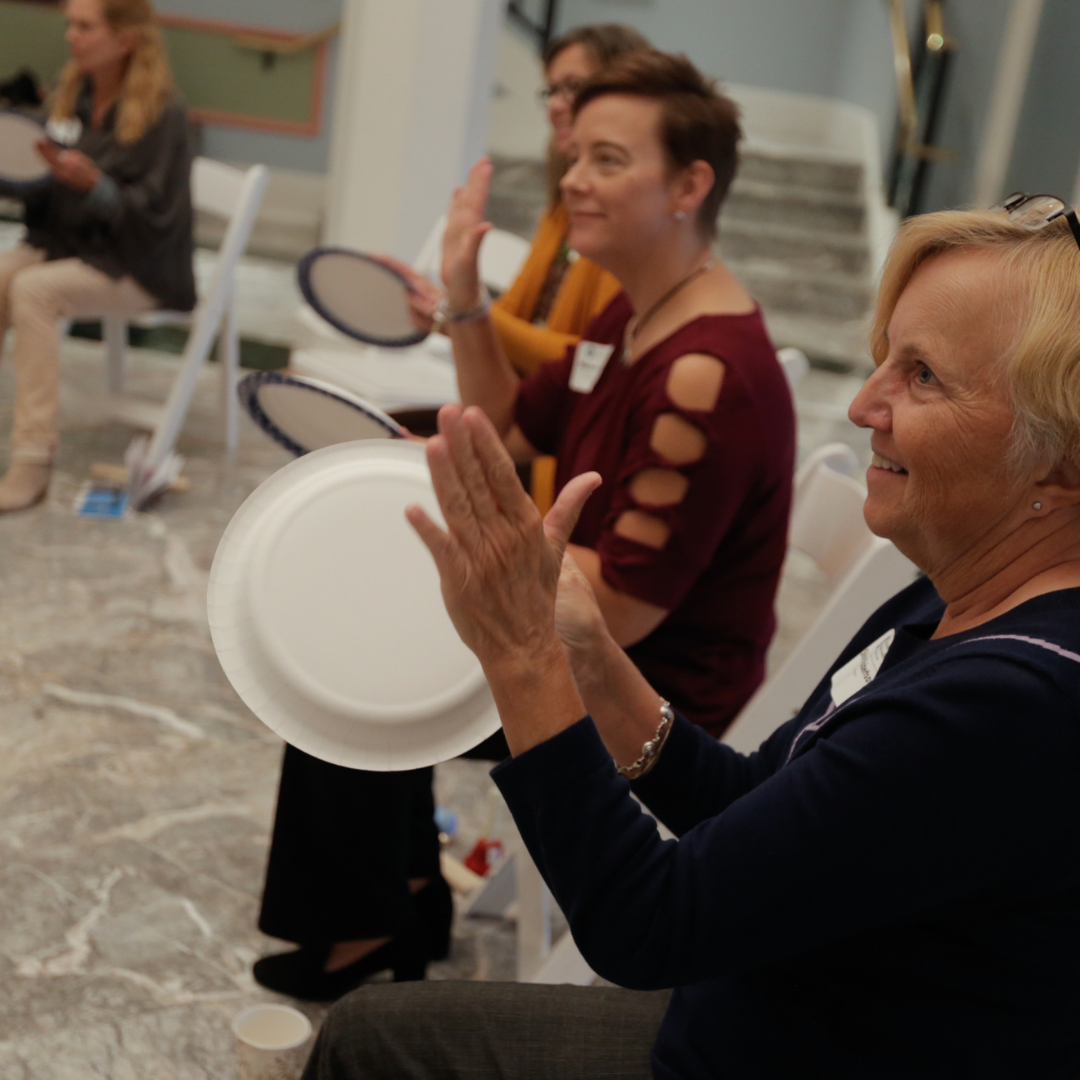
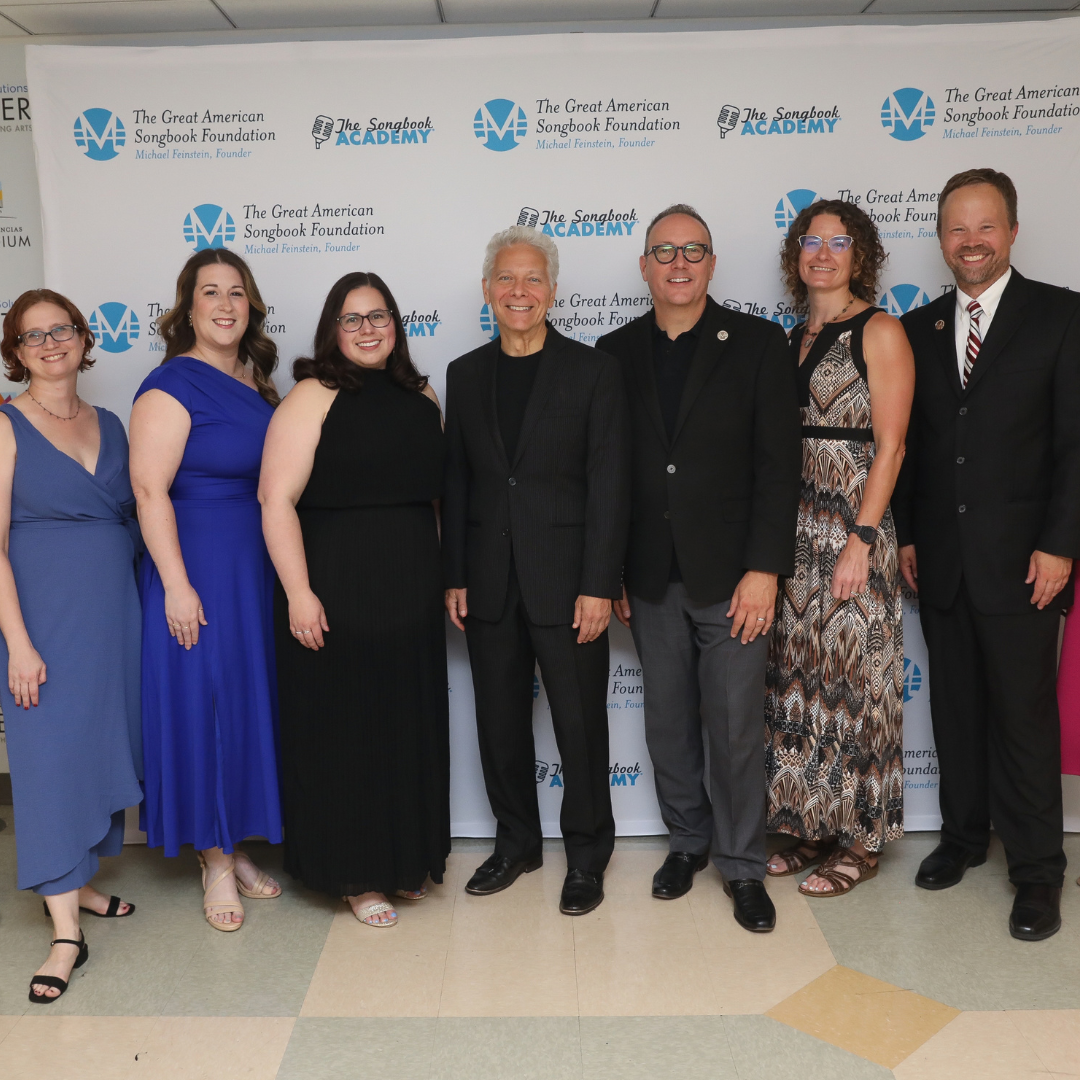
The inspiration for this activity comes from a thoughtful presentation by board-certified music therapist Allegra Hein (MM, MT-BC) for the Great American Songbook Foundation's Perfect Harmony program. Allegra reminded participants that music isn't only something we perform or teach—it can also be a powerful tool for caring for ourselves. While Perfect Harmony focuses on the wellness benefits of music for older adults, these same principles can support people of all ages, including performers, educators, parents, and arts advocates.
Whether you're preparing for an audition, balancing rehearsals with schoolwork, teaching students, supporting a young artist, or simply navigating the challenges of everyday life, music can be a powerful tool for self-care. Taking time to engage with music intentionally can help us relax, process emotions, boost our mood, and reconnect with ourselves.
Here are five simple ways to build your own "Music Wellness Toolkit."
1. Create an SOS Playlist
Think of this as your musical emergency kit.
What songs instantly lift your spirits? What songs remind you of happy memories, special people, or moments when you felt confident and strong?
Create a playlist of 5–10 songs that make you feel good. When you're feeling overwhelmed, discouraged, or stressed, turn to this playlist as a reminder that music can help shift your perspective and provide comfort.
Try This: Add one song that makes you smile, one song that energizes you, and one song that reminds you of someone you love.
2. Use Music to Slow Down
Life can feel fast-paced, especially for young performers juggling rehearsals, performances, classes, and other commitments.
Listening to slower music can help calm the body and encourage relaxation. Find a quiet space, choose a favorite song with a gentle tempo, and take a few slow breaths as you listen.
As the music plays:
- Breathe in slowly.
- Breathe out slowly.
- Notice how your body feels.
Even a few minutes of mindful listening can help create a sense of calm.
3. Let Music Help You Process Emotions
Not every song has to be cheerful to be helpful.
Sometimes the songs that resonate most deeply are the ones that reflect what we're already feeling. Music can remind us that we're not alone in our experiences and help us process emotions that may be difficult to put into words.
The next time you're having a tough day, choose a song that feels meaningful to you and take a moment to listen closely.
Ask yourself:
- What emotions do I hear in this song?
- Why does this song connect with me right now?
- What might this music be helping me understand?
4. Find Your Transition Anthem
Music can help us move from one part of our day to another.
Maybe you need a confidence boost before an audition. Maybe you need help shifting from school mode to rehearsal mode. Maybe you need a way to unwind after a busy day.
Choose a song that helps you make that transition intentionally.
Your transition anthem might be:
- A song that helps you focus before practice.
- A song that energizes you before a performance.
- A calming song that signals it's time to rest.
Music can serve as a cue for both your mind and body, helping you prepare for what's next.
5. Make Music Just for Fun
As performers, it's easy to become focused on improvement, technique, and achievement. While those things are important, don't forget that music can also simply be enjoyable.
This week, challenge yourself to spend a few minutes making music with no goal other than having fun.
Sing in the car. Dance in your room. Play an instrument without worrying about mistakes. Write silly new lyrics to a familiar melody. Share a favorite song with a friend.
Give yourself permission to experience music without expectations.
Build Your Music Wellness Toolkit
Take a moment to fill in your own toolkit:
- My comfort song: ______________________
- My confidence song: ____________________
- My calm-down song: _____________________
- My dance-it-out song: ___________________
- My song for difficult days: ______________
- One musical activity I'll do just for myself this week: ______________________
Music can be many things—a performance, a passion, a profession, or a lifelong hobby. But it can also be a source of comfort, resilience, and self-care.
This Mental Health Awareness Month, we encourage you to take a few moments to appreciate music not just as an art form, but as a tool for supporting your well-being. The songs that help us perform can also help us heal, reflect, connect, and thrive.
Need some inspiration?
If you're looking for songs to help build your Music Wellness Toolkit, explore the Great American Songbook Foundation's Spotify playlists. Whether you're searching for uplifting tunes, reflective ballads, or songs that simply make you smile, our playlists are a great place to discover music that resonates with you.
Explore our Spotify channel!